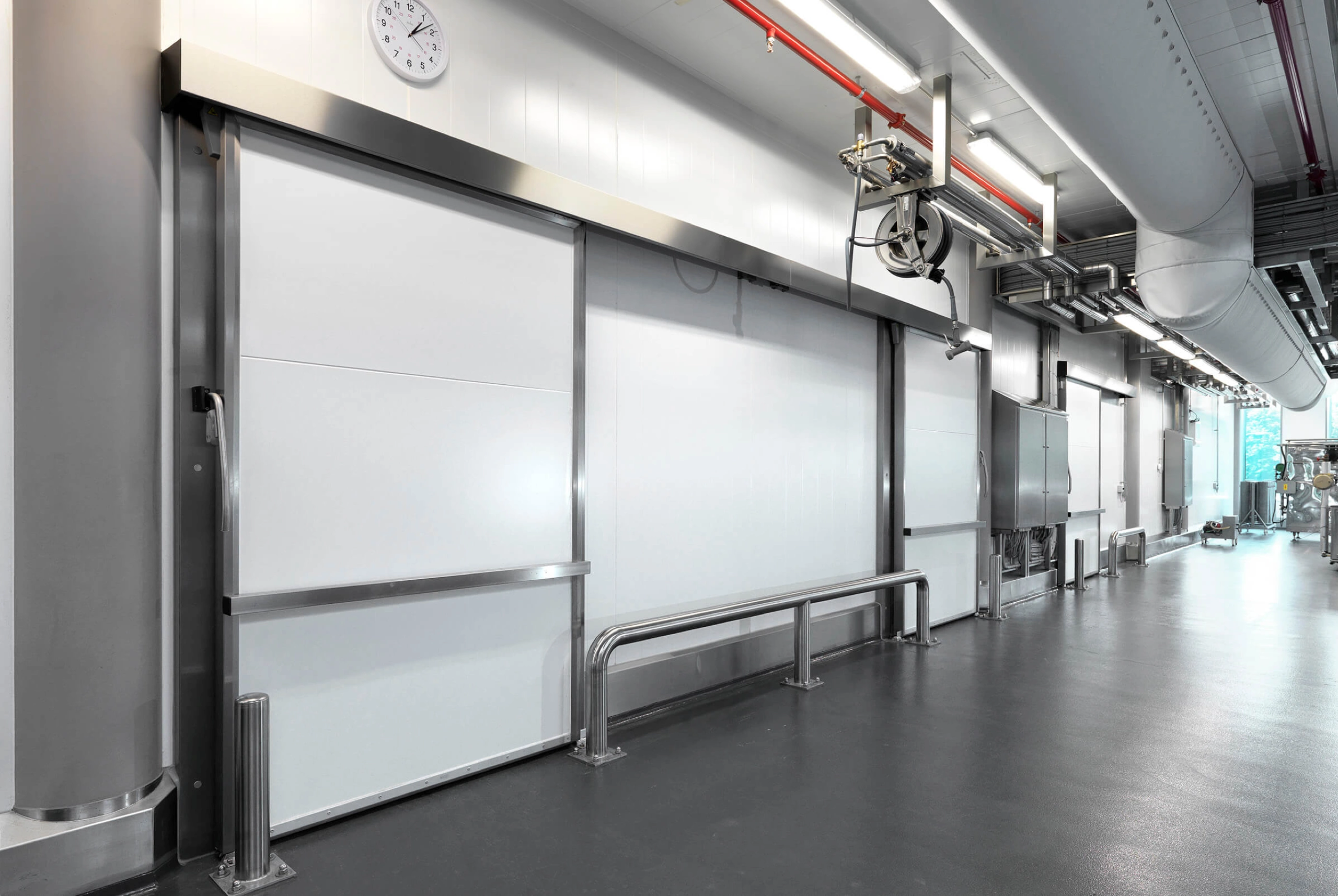
A revolutionary test kitchen
In Lochem, we have realized something unique: a fully equipped test kitchen in the heart of a meat processing plant. This project brings together craftsmanship, innovation, and food safety in one groundbreaking concept that pushes the boundaries of the meat industry.
The Lochem meat processing plant
The meat processing plant in Lochem has been known for years for its high-quality products and progressive approach. With a history dating back to the early 20th century, the plant has continuously adapted to new technologies and market developments.
Why a test kitchen?
The idea for a test kitchen arose from the desire to integrate culinary innovation directly into the production process. In this space, new recipes, preparation methods, and quality improvements are developed and tested before being applied on a large scale.
The design of the test kitchen
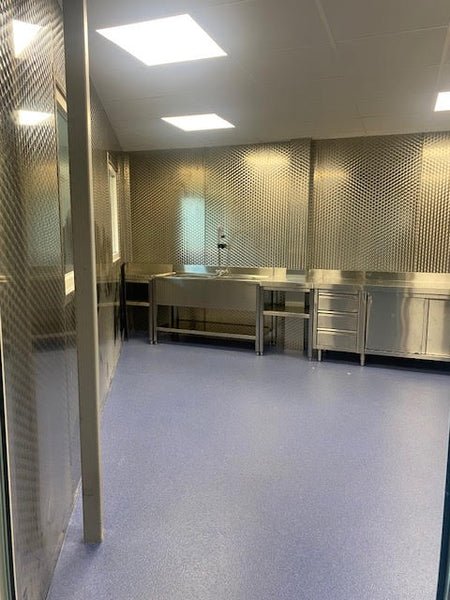
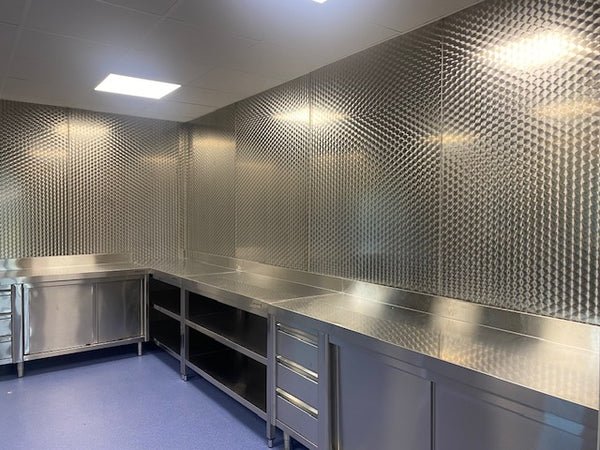
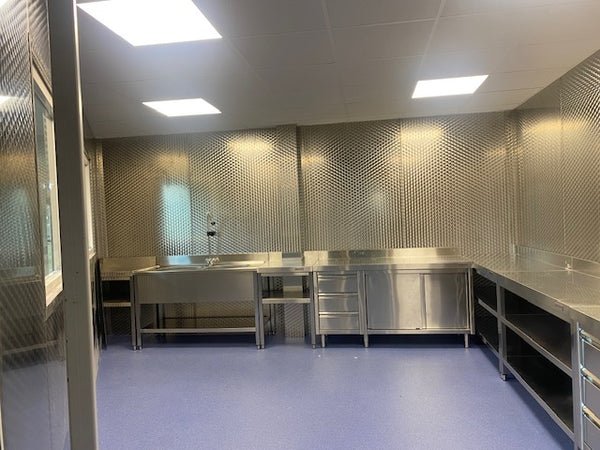
The test kitchen is designed according to the latest safety standards and equipped with advanced technology. The design combines functionality with hygiene, creating an efficient and safe working environment for chefs and technicians.
Safety and hygiene
In a meat processing plant, hygiene is crucial. The test kitchen features an advanced air filtration system that ensures a constant supply of clean air. All surfaces and installations are manufactured from durable, hygienic materials to guarantee a completely sterile working environment.
The importance of a test kitchen
With the test kitchen, the plant can continuously innovate without disrupting daily production. New products are extensively tested, leading to improved taste, quality, and efficiency. At the same time, it provides space for culinary creativity and collaboration between chefs and product developers.
Benefits for the meat industry
This innovative approach enables the plant to respond quickly to changing consumer trends. By testing new techniques in a controlled environment, a competitive edge is gained in product development and food safety within the meat industry.
Collaboration and partnership
The project was realized thanks to close collaboration between culinary experts, engineers, and the meat industry. Together, they strive for a future where traditional craftsmanship and modern technology go hand in hand.
Future vision
With the test kitchen as a permanent fixture, the plant in Lochem continues to focus on innovation. In the coming years, new collaborations will emerge and more culinary experiments will be conducted. This project proves that innovation and tradition can strengthen each other in the modern food industry.
Conclusion
The test kitchen in Lochem marks a significant step forward in the combination of meat production and culinary development. This groundbreaking initiative shows that progress begins with vision, collaboration, and the courage to push boundaries.